
In 1979, the oceanographic research vessel R/V Knorr set sail on one of the most ambitious marine science expeditions in history. Their goal? To explore the mysteries of the deep ocean and the role marine life plays in our global ecosystems. But as they descended into the depths, what they found was not what they expected at all. Instead of discovering new life forms or oceanic phenomena, they encountered technical challenges, miscalculations, and unforeseen obstacles that would shape the future of marine science research. It’s a story that’s both cautionary and hopeful, one that reveals the true essence of scientific inquiry – the unexpected and the unexplainable.
As marine scientists, we often envision that our experiments will lead us to discover new oceanic wonders or groundbreaking data. However, the journey is rarely as smooth as we expect. In this article, I’ll walk you through a personal story of a marine science experiment gone wrong, the lessons I learned, and how these experiences have shaped my understanding of both marine science and scientific inquiry in general.
The Experiment that Nearly Sank My Confidence
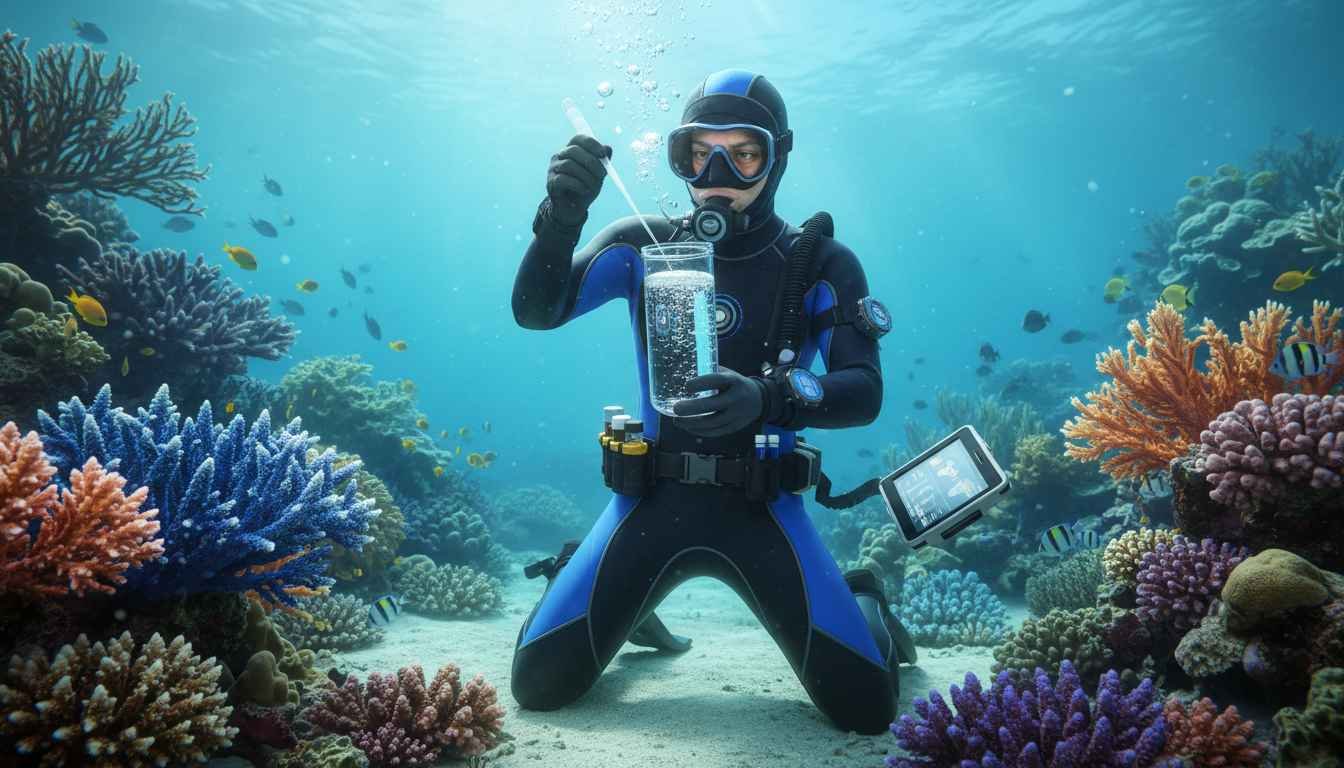
Several years ago, I was leading a team on a marine science experiment aimed at measuring the impact of ocean acidification on coral reefs. Armed with the latest technology, we had high hopes for collecting substantial data that could contribute to our understanding of climate change’s effect on marine ecosystems.
Our method was straightforward. We deployed pH sensors across different coral reef zones to measure the acidity of seawater. The hypothesis was simple: increased carbon dioxide in the atmosphere leads to higher levels of carbonic acid in the ocean, which could harm marine life. We expected clear patterns to emerge from the data, which could then guide future conservation efforts.
But the reality was far more complicated. As we deployed the sensors into the water, the readings fluctuated wildly. One moment, the pH levels were higher than expected; the next, they were alarmingly low. This unpredictability led to a series of frustrating days spent troubleshooting the technology, recalibrating sensors, and trying to decipher the confusing data.
The underlying issue? We had overlooked one key factor – water movement. Ocean currents, temperature variations, and even local pollutants all affected the sensors in ways we hadn’t anticipated. What we thought would be a straightforward experiment quickly turned into a technical nightmare. The frustration was palpable, but it was also an invaluable learning experience.
What Went Wrong: A Reality Check
Expectations vs. Reality is a common theme in marine science experiments. While we often expect that with the right tools and methods, we can isolate variables and gather clean data, nature has a way of reminding us that we don’t control every factor. The idea of deploying sensors in a perfectly controlled marine environment is a comforting thought, but the ocean is a dynamic, ever-changing place.
Expectation:
Clear, consistent data that would confirm the hypothesis about ocean acidification.
Reality:
Fluctuating data due to unforeseen variables such as water currents, temperature changes, and localized chemical reactions in the water.
This gap between expectation and reality is not a failure, but rather an opportunity to rethink the approach to scientific experiments in the marine environment. The unpredictability of nature is one of the most valuable lessons that marine scientists must learn.
In the end, while we didn’t get the perfect data set we had hoped for, we did uncover insights that we had never considered before – information that led to improvements in our experiment design and methodology. Marine science is as much about learning from what goes wrong as it is about celebrating what goes right.
Who Should Avoid This? Potential Drawbacks of Marine Science Experiments
While marine science experiments are crucial for understanding and preserving our oceans, they come with certain challenges. If you’re considering diving into this field, there are a few considerations you should be aware of:
- Cost: Marine science research often requires expensive equipment, like pH sensors and specialized research vessels, which can be cost-prohibitive for smaller teams.
- Time Constraints: The ocean is a massive, unpredictable environment, and data collection can take months or even years. If you’re looking for quick results, marine science experiments may not be the right fit.
- Environmental Factors: Weather patterns, seasonal changes, and ocean currents can disrupt experiments, making it difficult to gather consistent data. Patience and flexibility are key.
Despite these drawbacks, the rewards of contributing to marine science and environmental conservation far outweigh the challenges. If you’re up for the adventure, the ocean is waiting for you.
If you’re interested in learning more about marine science experiments, check out Thamesandkosmos, where you’ll find resources and kits to help you explore the depths of marine biology and environmental science right at home.
Final Thoughts: Embracing the Chaos of Marine Science
Every failure in marine science is an opportunity to learn more. Whether it’s recalibrating a sensor or understanding how an unexpected environmental variable can skew your results, these experiences build resilience and expertise. Our experiments may not always go as planned, but the insights we gain from the process are invaluable.
So, the next time you embark on a marine science experiment, remember: the ocean doesn’t always reveal its secrets on the first try. But with persistence, flexibility, and a bit of curiosity, you’ll come away with lessons that can shape the future of marine conservation and research.