
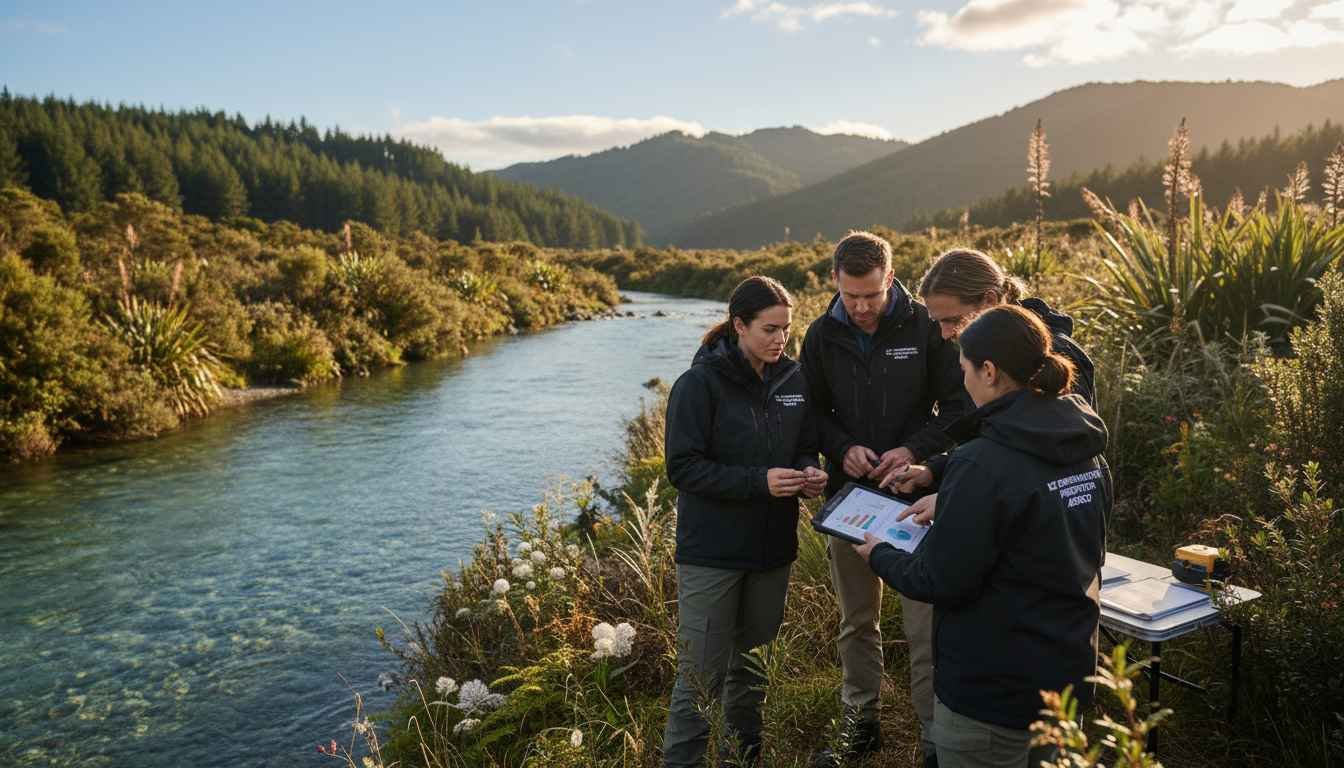
This topic is like a double-edged sword – on one side, the NZ Environmental Protection Agency (EPA) wields immense power to safeguard the environment, yet on the other, it must navigate the murky waters of political, industrial, and social pressures. Understanding the agency’s evolving role can shed light on how New Zealand plans to balance economic growth with ecological responsibility.
For years, the NZ EPA has served as a regulatory cornerstone, shaping policies that affect everything from freshwater quality to hazardous substances. Their work often goes unnoticed by the public until a crisis emerges – think contaminated rivers or industrial spills. Yet, the agency’s proactive measures, combined with modern water testing technologies like SimpleLab Tap Score, can provide citizens with both awareness and actionable guidance for safeguarding local waterways.
Looking toward the future, the NZ EPA seems poised to expand its digital and analytical capabilities. Imagine a system where real-time environmental data streams from sensors nationwide, allowing regulators and communities to respond immediately to pollution events. Experts suggest that the integration of AI-driven predictive models could transform enforcement strategies, making them far more precise and less reactionary. Dr. Helen Carroway, a hypothetical environmental policy analyst, emphasizes, “The true potential of environmental protection lies not just in legislation, but in leveraging technology to anticipate and prevent harm before it manifests.”
Emerging Challenges on the Horizon
Climate change, urbanization, and industrial expansion will continue to test the agency’s resilience. Rising water temperatures and unpredictable rainfall patterns complicate pollution control, while new industries may introduce substances the current regulatory framework doesn’t yet cover. The NZ EPA’s challenge is dual: maintain rigorous standards and simultaneously adapt to unforeseen environmental threats. Without innovative monitoring, citizens risk delayed warnings and insufficient guidance, highlighting the importance of accessible water testing solutions like SimpleLab Tap Score for everyday households.
Moreover, public trust is a fragile commodity. Miscommunication or delays in reporting environmental hazards can fuel skepticism. Transparency initiatives, such as publishing interactive environmental dashboards and community reporting portals, are expected to grow. In the future, citizen scientists could play a key role in monitoring water quality, effectively turning communities into frontline environmental protectors.
Potential Drawbacks
Despite the promising trajectory, there are potential drawbacks to this growing reliance on technology and public engagement. Overdependence on digital systems could obscure localized insights, while small-scale communities may struggle with the technical and financial requirements of implementing sophisticated monitoring. Additionally, regulatory overreach could unintentionally stifle local business innovation, generating pushback against environmental policies. Citizens must remain vigilant and informed, balancing participation with realistic expectations.
Policy Speculation: What Could Change?
Looking ahead, several speculative shifts could reshape the NZ EPA’s influence. First, stricter water quality thresholds may become mandatory, compelling industries to adopt greener practices. Second, collaborative frameworks with international environmental agencies could introduce a more standardized global benchmark for pollution control. Third, the agency might pioneer incentive programs for households and businesses that proactively reduce their environmental footprint. Through these measures, New Zealand could evolve into a model nation for sustainable environmental governance.
Citizen involvement remains crucial. Regular water testing at home using certified kits like SimpleLab Tap Score, for example, can bridge the gap between regulatory oversight and community action. By combining personal accountability with institutional authority, the NZ EPA’s vision of a cleaner, safer environment becomes more attainable.
Quote of the Day
“The environment is a shared responsibility; vigilance and innovation today prevent crises tomorrow.” – Environmental Strategist, Hypothetical Expert
Who Should Avoid This?
While proactive engagement with environmental oversight is generally positive, those uninterested in long-term ecological impacts or unwilling to adopt technological tools for monitoring may find themselves frustrated. Additionally, businesses resistant to transparency or reluctant to meet evolving regulatory standards might encounter obstacles as the NZ EPA strengthens enforcement measures.
Ultimately, the NZ Environmental Protection Agency’s future will likely be defined by a delicate interplay of science, policy, and public participation. By embracing technology, encouraging citizen involvement, and maintaining stringent oversight, the agency could serve as a beacon of environmental stewardship for years to come.