Your tyres are the only part of your car that touches the road — four patches of rubber, each roughly the size of your hand, carrying the whole vehicle. That is why tyre technology matters so much for safety, and why it has changed faster in the last few years than in the previous decade. Here is what is genuinely new in 2026, what is still emerging, and how to choose tyres with confidence.

1. Smarter Rubber Compounds
The foundation of every tyre is its rubber compound, and this is where some of the most useful progress has happened. Silica-reinforced tread compounds improve grip in wet conditions while reducing rolling resistance, which helps both braking and fuel efficiency. Manufacturers are also blending new polymers that keep the rubber flexible in cold weather and stable in heat, so a tyre performs more consistently across seasons.
The practical benefit is straightforward: shorter stopping distances in the wet and tyres that last longer before the tread wears down. When comparing tyres, look for the EU tyre label or equivalent ratings for wet grip and fuel efficiency — they are a more reliable guide than marketing claims.
2. Tread Designs That Work Harder
Tread design has become more specialized. Variable-pitch tread patterns reduce road noise by breaking up the sound frequencies the tyre produces, while 3D sipes — tiny slits in the tread blocks — give the tyre extra biting edges on wet and snowy roads.
Winter tyres remain the right choice where snow and ice are common, all-season tyres suit mild climates, and dedicated summer tyres give the best grip in warm, dry conditions. No single tread does everything well, so the “best” tread is the one matched to the weather you actually drive in.
3. Sensor and Connected Tyres
Tyre pressure monitoring systems are now standard on most new cars, but sensor technology is going further. Embedded sensors in premium and fleet tyres can report temperature, pressure, load, and tread depth in real time, sending the data to the car’s computer or a fleet manager’s dashboard.
For most drivers, the useful version of this is already here: a proper tyre pressure monitoring system, checked regularly, prevents the under-inflation that causes most premature tyre wear and a surprising share of blowouts. Fully sensor-connected tyres that report tread depth live are still largely a fleet and premium-car feature, not something most buyers need to pay extra for yet.
4. Tyres Built for Electric Vehicles
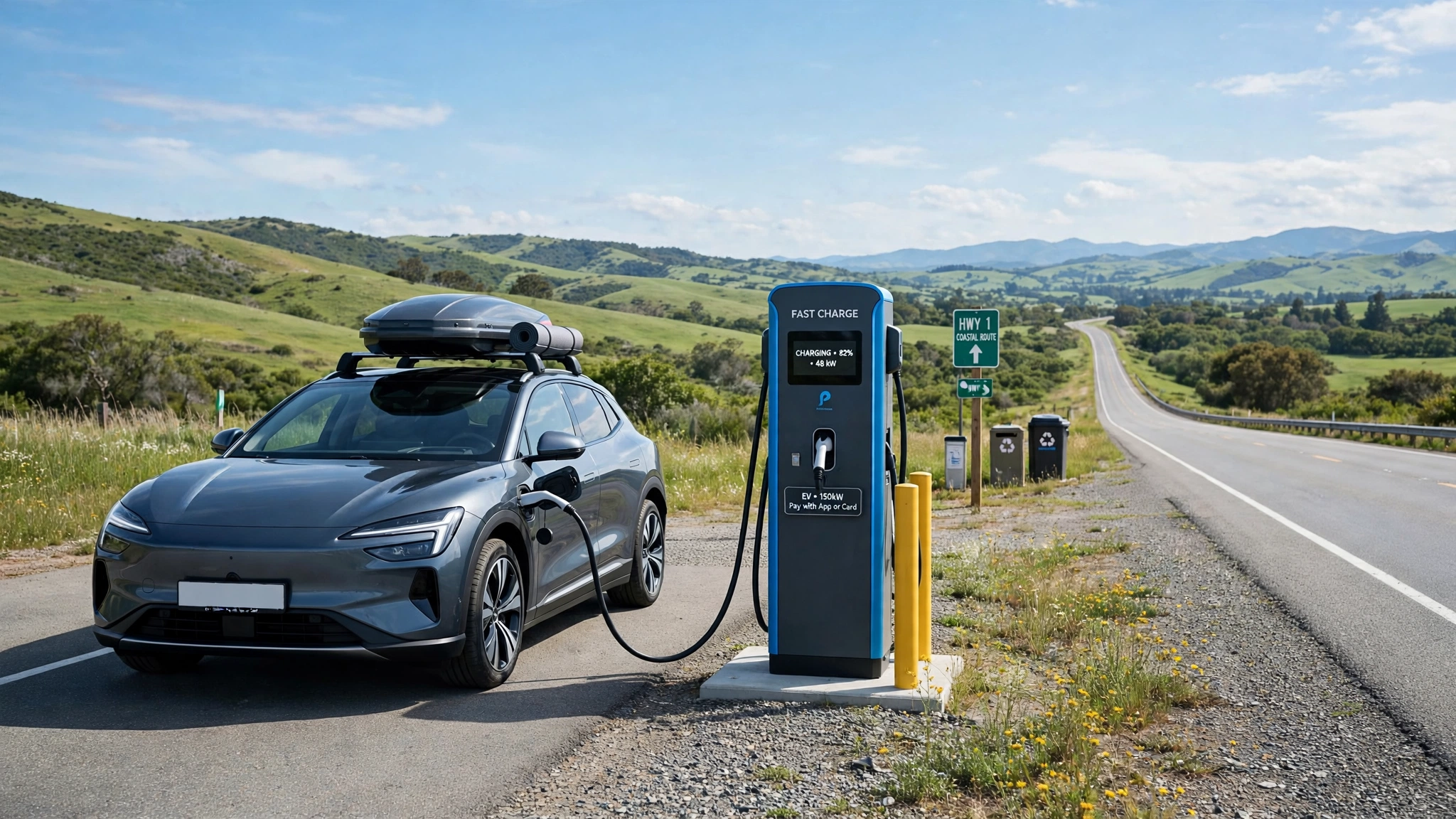
Electric cars place unusual demands on tyres: instant torque that wears tread faster, heavy battery packs, and near-silent motors that make road noise more noticeable. EV-specific tyres answer with stronger construction for the extra weight, low rolling resistance to protect range, and noise-reducing foam or tread designs inside the tyre.
If you drive an EV, tyres marked as EV-ready are worth considering at replacement time — not because regular tyres will not fit, but because they will typically wear faster and cost you range. For petrol and diesel cars, the same low-rolling-resistance designs still bring fuel savings.
5. Run-Flat and Self-Sealing Technology
Run-flat tyres use reinforced sidewalls that support the vehicle’s weight for a limited distance after a puncture — typically around 50 miles at reduced speed — so you can reach a safe place instead of changing a tyre at the roadside. Self-sealing tyres take a different approach, with a sealant layer inside that closes small punctures automatically.
Both are genuine safety improvements, with trade-offs: run-flats can ride more firmly and cost more to replace, and neither is a substitute for carrying out proper tyre checks. They buy you safety and convenience, not freedom from maintenance.
6. Greener Tyres
Sustainability has reached tyre manufacturing. Makers are increasing the share of recycled and renewable materials — including recycled rubber, bio-based oils, and responsibly sourced natural rubber — and designing tyres for lower rolling resistance to cut fuel use and emissions over their life.
Retreading remains the most effective green option for trucks and some commercial vehicles, giving a worn casing a second life. For passenger cars, the greenest choice is usually the simplest one: a durable, low-rolling-resistance tyre kept at the right pressure, which lasts longer and uses less fuel.
7. Airless Tyres: Real, But Not Mainstream Yet
Airless tyres — designs that replace pressurized air with a flexible structure — are real products in testing, and some are already in use on low-speed and fleet vehicles. The best-known example is Michelin’s Uptis prototype, which has been road-tested but is not yet in mass production for passenger cars.
They promise no punctures and less waste, but they are not something you can buy for a normal car in 2026. Treat airless tyres as a technology to watch, not a buying decision to make this year.
How to Choose the Right Tyres in 2026
- Size: Check your owner’s manual or the placard on the driver’s door — the wrong size affects safety and handling.
- Vehicle type: Match the tyre to your car; an EV or a heavy SUV needs a tyre rated for its weight and torque.
- Driving style: Aggressive drivers need grip; long-distance drivers need tread life and fuel efficiency.
- Weather: Choose for the conditions you actually face most of the year, not the extremes you imagine.
- Fuel efficiency: Low rolling resistance ratings save fuel over the life of the tyre.
- Reviews and tests: Compare independent tyre tests and owner reviews before deciding — lab ratings and real-world reports together give the clearest picture.
Tyres are also part of a wider maintenance picture: worn suspension or poor alignment will ruin even the best tyres, so a check-up with expert vehicle care at replacement time is money well spent.
Well-Regarded Tyre Brands
Rather than ranking brands — independent tests vary by tyre model, not just by maker — it helps to know what the established manufacturers are known for. Michelin is widely noted for wet braking and tread life, Continental for safety technology and all-round grip, Bridgestone for dependable performance across categories, Pirelli for high-performance and luxury fitments, Goodyear for balanced performance across a wide range, and Toyo for durability. The right tyre for your car is the specific model that scores well in tests for your driving conditions, whichever brand makes it.
FAQs
Are smart sensor tyres worth paying extra for?
For most drivers, a standard tyre pressure monitoring system and regular manual checks deliver nearly all the benefit. Sensor tyres that report tread depth are mainly valuable for fleets.
Do EV tyres really make a difference?
Yes — mainly in tread life and range. An EV’s torque and weight wear standard tyres faster, so EV-rated tyres usually last longer on an electric car and protect driving range.
When should I replace my tyres?
When tread depth reaches the legal minimum (1.6 mm in many countries), when you see cracks, bulges, or uneven wear, or when the tyre is more than five to six years old — whichever comes first. Age matters even if the tread looks fine.
Are airless tyres available to buy now?
Not for regular passenger cars. They are in testing and limited fleet use, with mass-market availability still some years away.
Final Thoughts
Tyre technology in 2026 is less about one dramatic breakthrough and more about steady, useful progress: better compounds, smarter tread, tyres designed for electric cars, and sensors that catch problems early. The buying advice has not changed much — match the tyre to your car and your weather, check independent test results, and keep your tyres properly inflated. The technology helps, but the habits still do most of the work.