
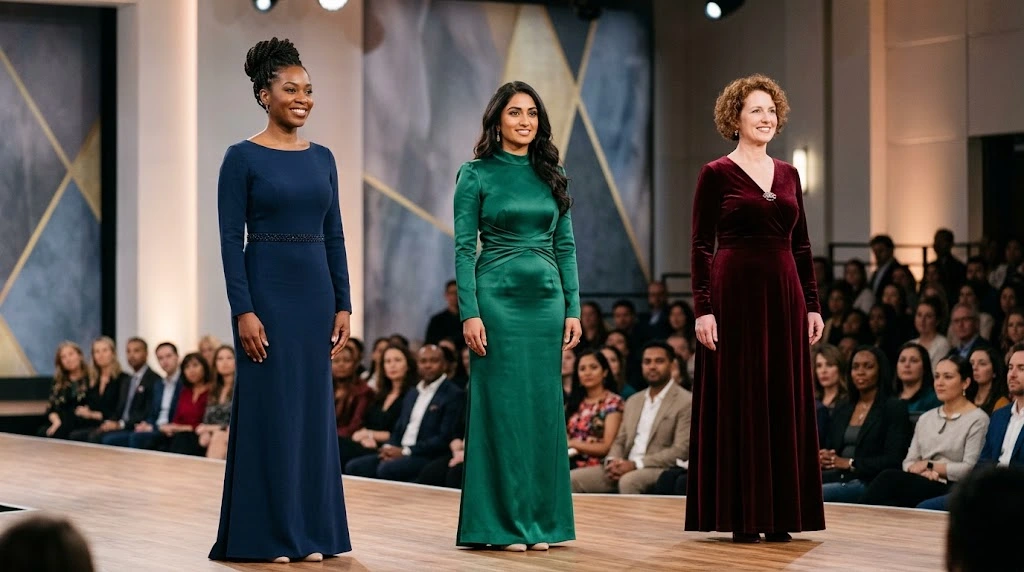
From elegant evening wear to creative fashion showcases, modern beauty events bring together different styles, perspectives, and personalities. Understanding what makes these events meaningful can help participants, organizers, and audiences appreciate the broader role of fashion, self-expression, and inclusive representation.
Understanding Modern Beauty Pageants
A beauty pageant is an organized competition in which participants are evaluated according to criteria established by the event organizers. Depending on the format, these criteria may include presentation, confidence, talent, communication, creativity, community involvement, and fashion.
Some competitions focus primarily on clothing and styling, while others include interviews, performances, or community projects. There is no single format that defines every pageant, so participants should review the rules and judging criteria before entering.
For readers interested in the relationship between fashion, presentation, and entertainment, our guide to fashion pageants and the spotlight offers another perspective on these events.
Why Confidence Matters in Beauty Competitions
Confidence can influence how participants communicate, present themselves, and respond to unfamiliar situations. It does not mean being perfect or never feeling nervous. Instead, confidence involves preparing carefully, understanding personal strengths, and approaching an event with a positive and realistic mindset.
Developing Presentation Skills
Practicing introductions, maintaining comfortable posture, and speaking clearly can help participants communicate more effectively. Rehearsing common interview questions may also make the competition experience feel more manageable.
Embracing Individuality
Participants have different interests, backgrounds, and personal styles. Rather than attempting to imitate someone else’s appearance, they can choose presentation styles that reflect their own preferences and personalities.
Building Resilience
Competition results do not determine a person’s overall worth or potential. Treating participation as an opportunity to learn can help contestants respond constructively to feedback and continue developing their skills.
Fashion and Styling at Beauty Events
Clothing plays an important role in many beauty competitions because it helps participants communicate their preferred aesthetic. A successful outfit does not necessarily need to be expensive or follow every current trend. Fit, comfort, suitability, and attention to detail can be more useful considerations.
Choosing an Appropriate Outfit
Review the event’s dress code and planned activities before selecting clothing. Formal events may call for evening wear, while creative competitions may encourage distinctive colors, cultural influences, or contemporary designs.
Using Color Effectively
Color can influence the overall impression of an outfit. Some participants prefer understated neutral shades, while others enjoy bold colors and contrasting accessories. The best choice depends on personal preference, the event’s requirements, and the intended overall look.
For inspiration, explore our article about color trends at Paris Fashion Week.
Creating a Personal Style
Personal style can draw inspiration from classic tailoring, contemporary streetwear, vintage clothing, or cultural traditions. The aim is to create a coherent appearance that feels authentic rather than simply copying a trend.
Our guide to affordable fashion and everyday styling provides additional ideas for exploring clothing choices without overspending.
Beauty, Grooming, and Self-Care
Preparing for a beauty event may involve selecting an outfit, organizing accessories, practicing a presentation, and following a comfortable grooming routine. These preparations should support confidence rather than create unnecessary pressure to meet unrealistic appearance standards.
Simple Skincare Habits
A basic skincare routine can include gentle cleansing, appropriate moisturizing, and sun protection during the day. Introduce new products carefully, especially if your skin is sensitive, and avoid experimenting with unfamiliar treatments immediately before an important event.
For more information about product selection, read our overview of natural and professional skincare products.
Comfortable Grooming Choices
Hair styling, makeup, and other grooming choices are personal. Participants can select approaches that suit their preferences and the competition’s guidelines. There is no universal look that everyone must follow to feel confident or presentable.
Rest and Preparation
Getting sufficient rest, eating regular balanced meals, and preparing clothing and accessories in advance can make event day less stressful. A realistic preparation schedule is generally more manageable than last-minute changes or restrictive routines.
Inclusivity and Body Positivity
Inclusive beauty events can create opportunities for people with different backgrounds, styles, abilities, and experiences to participate. The extent of inclusion varies by organizer, so prospective contestants should examine eligibility rules and accessibility arrangements before registering.
Body positivity encourages people to treat themselves and others with respect rather than reducing personal worth to physical appearance. In a competition setting, this principle can support healthier conversations about beauty standards, individuality, and respectful representation.
Organizers can encourage a welcoming environment by publishing transparent judging criteria, communicating expectations clearly, providing appropriate accessibility information, and applying rules consistently to all participants.
How Beauty Pageants Are Organized
Planning a beauty competition requires coordination between organizers, participants, judges, venue staff, and other contributors. Clear procedures help create an event that is organized, fair, and enjoyable for everyone involved.
- Define the format: Establish the competition’s purpose, eligible participants, activities, and judging categories.
- Publish the rules: Explain registration requirements, clothing guidelines, schedules, and scoring criteria in advance.
- Choose a suitable venue: Consider capacity, accessibility, lighting, sound, changing facilities, and audience needs.
- Prepare the schedule: Allow enough time for registration, rehearsals, presentations, judging, and announcements.
- Communicate with contestants: Provide accurate instructions and a clear contact point for questions.
- Protect participant privacy: Obtain appropriate consent before publishing photographs, interviews, or personal information.
Transparent planning can improve the experience for contestants and audiences while reducing confusion on the day of the event.
Judging Criteria and Fair Competition
Fair judging begins with criteria that are relevant to the event’s stated purpose. Depending on the format, organizers may evaluate presentation, communication, talent, creativity, or adherence to a particular theme.
Judges should understand the scoring system before the competition begins. Using consistent standards and communicating the process clearly can help participants understand how decisions are made.
Organizers should also establish procedures for handling questions or complaints professionally. A respectful approach helps preserve the credibility of the event, regardless of who wins.
Preparing for Your First Beauty Competition
For first-time contestants, a practical preparation plan can make the process easier to navigate.
- Read the guidelines: Confirm eligibility, dress requirements, event timings, and judging categories.
- Set realistic goals: Decide what you hope to gain from participating, such as presentation experience or an opportunity to explore personal style.
- Plan your outfit: Choose clothing that meets the rules and allows you to move comfortably.
- Practice speaking: Prepare a concise introduction and rehearse answering questions naturally.
- Organize essentials: Prepare your outfit, accessories, registration details, and travel arrangements in advance.
- Look after yourself: Make time for rest and avoid unnecessary last-minute changes.
Remember that participation is an experience in itself. Learning to prepare, meet new people, and communicate confidently can be worthwhile even when the final result differs from your expectations.
Beauty Pageants and the Influence of Fashion Trends
Fashion trends often influence the styling seen at competitions, from color palettes and silhouettes to accessories and hairstyles. However, trends are best treated as sources of inspiration rather than strict requirements.
Some contestants may prefer timeless designs, while others enjoy experimenting with contemporary fashion. Both approaches can work when they suit the event and reflect the participant’s individual preferences.
Understanding the difference between a temporary trend and a lasting personal style can also help contestants make more thoughtful clothing purchases and reuse items for future occasions.
Frequently Asked Questions
What is the purpose of a beauty pageant?
Depending on the event, a beauty pageant may celebrate personal presentation, fashion, talent, communication, creativity, or community participation. The purpose and judging criteria vary between organizers.
How can someone prepare for a beauty competition?
Start by reviewing the rules, planning appropriate clothing, practicing communication skills, and organizing the event schedule. Allow time for rest and preparation rather than making rushed decisions.
Do contestants need expensive clothing?
No. Clothing should meet the event’s requirements and suit the participant’s preferences and budget. Fit, comfort, coordination, and thoughtful presentation can matter more than price.
Why is inclusivity important at beauty events?
Inclusive practices can help participants feel respected and make event expectations clearer. Accessible arrangements, transparent rules, and consistent judging can contribute to a more welcoming experience.
Can participating in a pageant improve confidence?
Participation may provide opportunities to practice public speaking, presentation, and preparation. Individual experiences differ, and a competition result should not be treated as a measure of personal worth.
Final Thoughts
Modern beauty competitions can bring together fashion, creativity, presentation, and personal expression. Their value extends beyond appearance when they encourage participants to develop communication skills, explore their individual style, and treat others with respect.
Whether you are preparing to enter a competition or simply interested in fashion and beauty culture, focus on authenticity, thoughtful preparation, and realistic expectations. Explore the world of lifestyle shopping for more inspiration on personal style and everyday choices.
For additional articles covering fashion, lifestyle, and emerging trends, visit the OmniFlowHub blog.