
You notice it before you can name it. Someone you care about is losing weight fast, staying up for days, then crashing for just as long. Their mood swings without warning. Conversations turn guarded, and the person you knew seems to be slipping away. If you are seeing changes like these, you may be looking at the signs of crystal meth abuse — and knowing what to look for is the first step toward helping.
Crystal methamphetamine, usually called crystal meth, is a powerful stimulant that affects the brain and body quickly and intensely. It is highly addictive, and regular use can change a person’s appearance, behaviour, and thinking in ways that become hard to hide. This guide explains the physical, behavioural, and psychological signs of crystal meth abuse, the early warnings to watch for, and what to do next.
What Is Crystal Meth?
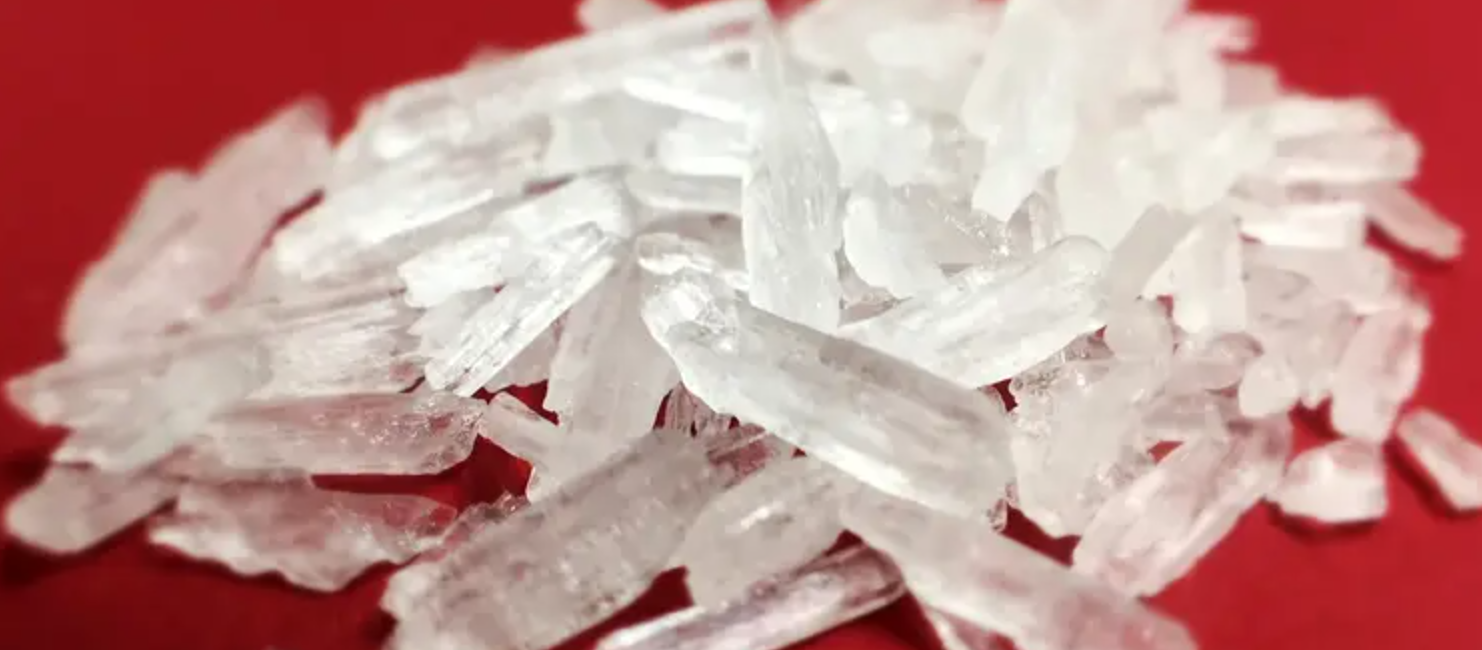
Crystal meth is a man-made stimulant drug that speeds up the central nervous system. It usually appears as clear or bluish-white crystals or shards, and it is also sold as a powder. The drug produces a strong rush of energy, confidence, and euphoria, followed by a long period of wakefulness — sometimes lasting for days. That high is followed by a crash marked by exhaustion, irritability, and intense cravings, which is one reason the cycle of use is so hard to break.
Because the drug is so addictive, use can escalate quickly from occasional to regular. The signs below rarely appear all at once; they tend to build over weeks and months.
Physical Signs of Crystal Meth Abuse
The body often shows the clearest evidence of meth use. Common physical signs include:
- Rapid, unexplained weight loss — meth suppresses appetite, and people using it regularly may eat very little for days at a time.
- Severe dental problems — often called “meth mouth,” this includes tooth decay, gum disease, cracked teeth, and tooth loss, caused by dry mouth, teeth grinding, and neglected hygiene.
- Skin sores and lesions — repeated picking at the skin, often driven by a sensation of insects crawling on or under the skin, leaves open sores that heal slowly.
- Disturbed sleep — staying awake for 24 hours or more, followed by long crashes of sleep.
- Rapid heartbeat, raised blood pressure, and higher body temperature — meth strains the heart and can cause overheating.
- Dilated pupils, tremors, and twitching — the stimulant effect can make hands shake and movements jerky.
- Neglected appearance and hygiene — unwashed hair, dirty clothes, and a general decline in self-care.
Any one of these signs on its own could have another explanation. Several appearing together, especially alongside behaviour changes, is a stronger warning.
Behavioural Signs of Crystal Meth Abuse
Behaviour often changes before the physical signs become obvious. Watch for:
- Secrecy and withdrawal — lying about whereabouts, locking doors, and pulling away from family and friends.
- New social circles — spending time with a different group of people, often other drug users, while old friendships fade.
- Neglecting responsibilities — missing work or school, ignoring bills, and letting household duties slide.
- Long periods of hyperactivity followed by crashes — bursts of intense energy, talking fast, and taking on projects at odd hours, then days of exhaustion.
- Agitation, aggression, and mood swings — becoming easily irritated, picking arguments, or acting out of character.
- Risky behaviour — unsafe sex, driving while impaired, stealing, or other choices the person would normally avoid.
- Money problems — borrowing or asking for money often, selling belongings, or having unexplained expenses.
- Drug paraphernalia — small glass pipes, burnt foil, lighters, or small plastic bags found in their belongings.
Psychological Signs of Crystal Meth Abuse
Meth changes how the brain works, and the psychological effects can be the most distressing part of the picture:
- Anxiety and paranoia — feeling watched, followed, or plotted against without evidence.
- Hallucinations and delusional thinking — in heavy or prolonged use, people may hear voices or believe things that are not true.
- Severe mood swings — swinging between euphoria and deep depression, sometimes within hours.
- Obsessive, repetitive behaviour — picking at skin, sorting objects for hours, or repeating the same task compulsively.
- Memory and concentration problems — struggling to follow conversations, forgetting appointments, or finding it hard to think clearly.
- Loss of interest — hobbies, goals, and relationships that once mattered no longer seem to.
These symptoms can linger even after use stops, which is why professional support matters rather than simply waiting for the person to “snap out of it.”
Early Warning Signs to Watch For
Catching meth use early makes recovery easier. The earliest changes are often subtle:
- A sudden change in sleep pattern — staying up all night, then sleeping through the day.
- Losing interest in food, hobbies, work, or school.
- Becoming defensive or angry when asked simple questions.
- Unexplained absences or vague explanations for where they have been.
- Small changes in appearance — weight dropping, skin looking worse, teeth deteriorating.
- Withdrawing from family gatherings and old friends.
If several of these changes appear together over a few weeks, it is worth taking them seriously rather than hoping they pass.
Long-Term Effects of Crystal Meth Abuse
Continued use carries serious risks. Over time, meth can damage teeth and skin, strain the heart, and affect memory and decision-making. Heavy use is linked to lasting anxiety, depression, and psychosis-like symptoms, and to a higher risk of stroke and heart problems. The longer use continues, the harder recovery becomes — but recovery is possible at any stage, and many people rebuild their health and lives after stopping.
What to Do If You Recognize the Signs
Seeing these signs in someone you love is frightening. A few practical steps can help:
- Choose the right moment. Talk when the person is sober and calm, not while they are high or crashing. Keep your tone concerned, not accusing.
- Stick to what you have seen. Describe specific changes — “You have lost a lot of weight and you have not slept in two days” — rather than making general accusations.
- Offer help, not ultimatums. Let them know treatment and support exist, and that you will help them find it.
- Do not try to force a sudden stop on your own. Withdrawal can bring exhaustion, deep depression, and powerful cravings, so professional guidance is safer than going it alone.
- Protect yourself. If the person becomes aggressive or threatening, step back and get support for yourself. You cannot help someone from an unsafe position.
- Look after your own wellbeing too. Supporting someone through addiction is draining, and small daily habits matter — even something as simple as eating properly, as this guide on how skipping breakfast may be harming your mental health explains, can affect how you cope.
Where to Get Help
You do not have to handle this alone. In the United States, the Substance Abuse and Mental Health Services Administration (SAMHSA) runs a National Helpline at 1-800-662-HELP (4357). It is free, confidential, and available 24 hours a day, 7 days a week, in English and Spanish, and it provides treatment referrals and information for individuals and families facing substance use. You can also search for treatment facilities at FindTreatment.gov. If someone is in immediate danger or a mental health crisis, call or text 988 in the US.
Treatment for methamphetamine use disorder is built mainly on behavioural therapies. There is currently no medication approved specifically for methamphetamine use disorder, so the most effective approaches are therapies such as contingency management — which rewards drug-free progress — and cognitive behavioural therapy, which helps people build skills for cravings and triggers. A doctor or addiction specialist can explain the options and help build a plan that fits the person.
FAQs About Crystal Meth Abuse
Can someone hide crystal meth use?
Yes, especially in the early stages. People may use only at night, blame weight loss on stress or dieting, and keep their use from family. Over time, the physical and behavioural signs become harder to hide.
How quickly do the signs of meth abuse appear?
It varies. Sleep disruption, appetite loss, and mood changes can appear within weeks of regular use, while dental damage, skin sores, and lasting psychological effects usually develop over months.
Can a person recover from crystal meth addiction?
Yes. Recovery is difficult — cravings and mood problems can persist for months — but with behavioural treatment, support from family and community, and time, many people stop using and rebuild their lives.
What should I avoid when talking to someone about their meth use?
Avoid confronting them while they are high or crashing, avoid shaming or lecturing, and avoid making promises you cannot keep. Stay calm, be specific about what you have noticed, and keep the focus on help rather than blame.
Final Thoughts
Crystal meth abuse rarely announces itself clearly. It shows up as a cluster of changes — weight loss, sleepless nights, skin sores, secrecy, paranoia, and a slow withdrawal from the life a person used to live. No single sign proves drug use, but several together are a reason to act. The earlier someone gets help, the better the chances of recovery. If you recognize these signs in yourself or someone you love, reach out to a professional — confidential help is available, and asking for it is the strongest first step.
This article is general information only and is not medical advice. If you or someone you know needs help with substance use, contact a healthcare professional or call the SAMHSA National Helpline at 1-800-662-4357. In an emergency, call 911 in the US.