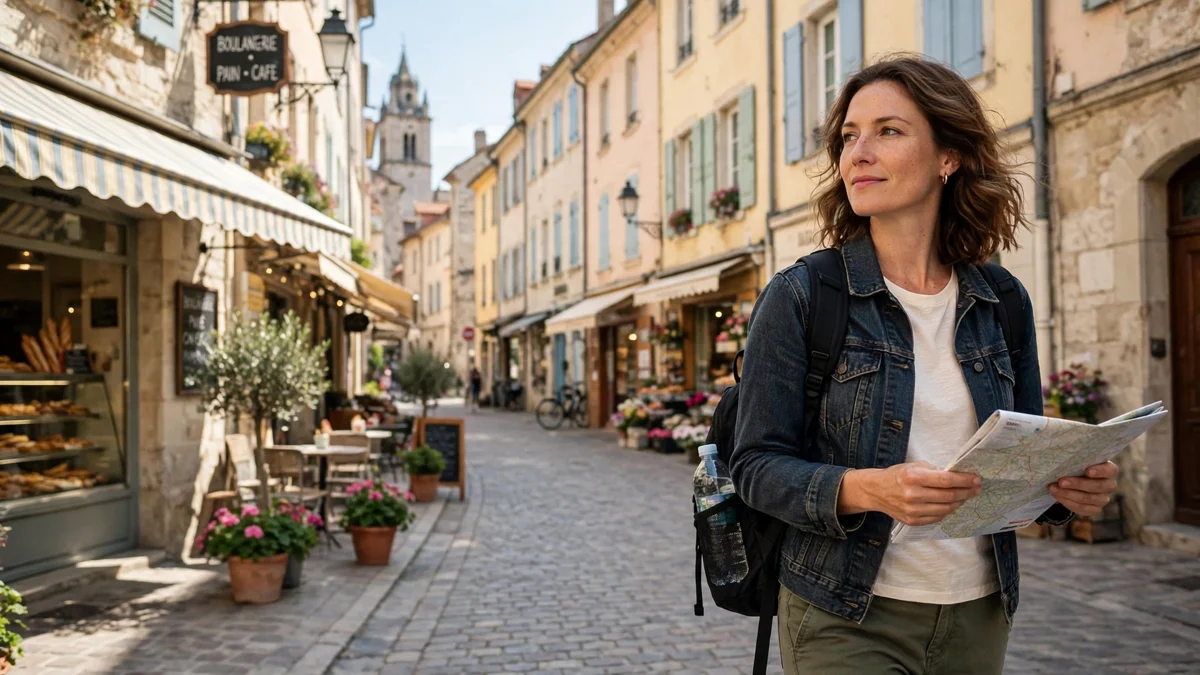
Picture yourself stepping off the train in a city you have never visited, a map in one hand and a coffee in the other, with the day ahead of you and nobody else’s schedule to follow. That freedom is why so many women travel alone — and with a little preparation, you can enjoy it with confidence. Staying safe while travelling solo is not about fear. It is about sensible choices before and during your trip, so small problems stay small.
Start With Honest Research Before You Book
Good safety starts before you leave home. Read your government’s travel advice for your destination — the UK’s foreign travel advice pages cover safety, local laws and entry requirements — and check whether any areas are best avoided after dark. Local customs matter too: dress norms and attitudes towards women travelling alone vary widely, and knowing what to expect helps you blend in.
Read recent accounts from other solo women travellers, not just general tourist guides. They will tell you the practical things — whether women eat alone in restaurants, and whether public transport feels comfortable at night. And make sure your travel insurance for an international trip covers the activities you plan, including emergency medical cover.
Share Your Plans With Someone You Trust
Leave a copy of your itinerary with a friend or family member: flight numbers, hotel names and addresses, and your dates in each place. Agree on a simple check-in routine — a quick message each evening — and tell them what to do if they do not hear from you. This costs you almost nothing and gives someone back home the information they would need to help you. Keep a paper backup too — your hotel address, emergency contact and nearest embassy number — stored separately from your phone.
Choose Your Stay With Care
Where you sleep matters more than almost any other single choice. Pick accommodation in a well-lit, central area rather than the cheapest room on the edge of town, and read recent reviews that mention safety and the neighbourhood at night. A place with 24-hour reception, a secure entrance and a room safe is worth a little extra on your first solo trip. Ask the receptionist to write your room number down instead of saying it out loud, check the door locks properly, use the chain or bolt at night, and do not open the door to anyone unexpected — if someone claims to be hotel staff, call reception to confirm first.
Pack Light and Keep Your Essentials Close
Travelling light is a safety habit as much as a comfort one. One bag you can carry yourself means you are never struggling with luggage on a crowded platform. Learning to plan a carry-on-only trip for a week is worth the effort: fewer bags, both hands free, and nothing valuable left in a checked suitcase. Keep your passport, cards and phone on your body or in a bag you can see at all times, and split money and cards between two places, so losing one bag does not leave you with nothing. Never leave your drink unattended, or accept a drink from a stranger.
Getting Around: Transport Choices That Keep You Safer
Plan how you will get from the airport or station to your hotel before you land. Pre-booked transfers, official taxis from a marked rank, or a well-known ride-hailing app are all safer than accepting a lift from someone who approaches you in arrivals. On public transport, sit near the driver or in a busy carriage, and avoid empty carriages late at night. Walking somewhere unfamiliar after dark, stick to main roads with people and street lighting. Download offline maps before you go out, so you can navigate without staring at your phone on a street corner — looking lost is what attracts unwanted attention.
Stay Aware Without Living on Edge
Situational awareness sounds serious, but it is just a habit: headphones out or low when you walk somewhere new, phone in your pocket on a busy street, and a quick look around before you settle in. You do not need to be on guard all day — just notice what is around you, as you would in your own city. Alcohol deserves a mention here because it lowers exactly the awareness you want to keep. A glass of wine with dinner is fine; drinking enough to lose track of your surroundings, your belongings or how you will get home is not a good idea when you are on your own.
Handle Unwanted Attention Calmly
Most unwanted attention while travelling is low-level — a comment, a stare, a conversation you do not want. The simplest response usually works best: ignore it, keep walking, and do not engage. A firm “no thank you” and steady movement towards a busy place ends most encounters. If someone follows you, step into a shop, hotel or restaurant and tell the staff. The same goes for scams: knowing the common tourist scams in advance — the “helpful” stranger, the closed attraction, the over-friendly new friend — means you recognise the pattern before you are drawn in.
Protect Your Money and Documents
Photograph your passport, visa, insurance documents and bookings, and store the copies somewhere you can reach them without your phone, such as your email or a cloud drive. Keep the originals locked in your room safe, and carry a photocopy of your passport for day-to-day identification instead. If your passport is lost, having the number and a copy speeds up a replacement at your embassy enormously. Use ATMs inside banks or shopping centres rather than isolated street machines, and shield the keypad when you enter your PIN. Carry a small amount of local cash for places that do not take cards.
Stay Connected and Charged
A working phone is your map, your translator, your bank and your lifeline, so treat battery and signal as safety equipment. Buy a local SIM card or an eSIM on arrival, and carry a small power bank so a dead battery never leaves you stranded. Download the apps you need before you need them: offline maps, your ride-hailing app, your bank’s app and a translation app. Learn the local emergency number before you need it — 112 across the European Union, 999 in the UK and 911 in the United States and Canada, but it differs elsewhere, so check for your destination.
Trust Your Instincts and Know Your Exit
Your most important safety tool is your own judgement. If a place feels wrong or a person makes you uneasy, leave — you do not need a reason, and you do not owe anyone an explanation. Women are often taught to be polite first and careful second; when you travel alone, reverse that order. An awkward exit is always better than a situation you wish you had left sooner. Have an exit plan for ordinary situations too: know how you will get back to your hotel in the evening, and keep enough money in a separate pocket for a taxi home. If you are ever genuinely frightened, head for the nearest busy, well-lit public place and call the local emergency number.
Frequently Asked Questions
Is it safe for a woman to travel alone?
Millions of women travel alone every year and do so safely. Sensible preparation — researching your destination, choosing safe accommodation, staying aware and keeping your phone charged — reduces risk a great deal. The right question is not whether solo travel is safe in general, but whether your specific destination, plans and precautions fit together well.
What should I do if I feel unsafe somewhere?
Leave calmly and head for somewhere busy and well-lit — a hotel, a shop, a restaurant or a police station. Tell the staff if you need help, and call the local emergency number if you feel threatened. Afterwards, change your plans for the rest of the day if you need to.
Final Thoughts
Travelling alone as a woman is one of the most rewarding ways to see the world, and the preparation behind it is mostly common sense: research your destination, share your plans, choose your stay with care, keep your essentials close and trust your instincts. None of this needs to limit what you do or where you go. It simply clears the worry out of the way, so the trip itself is what you remember.