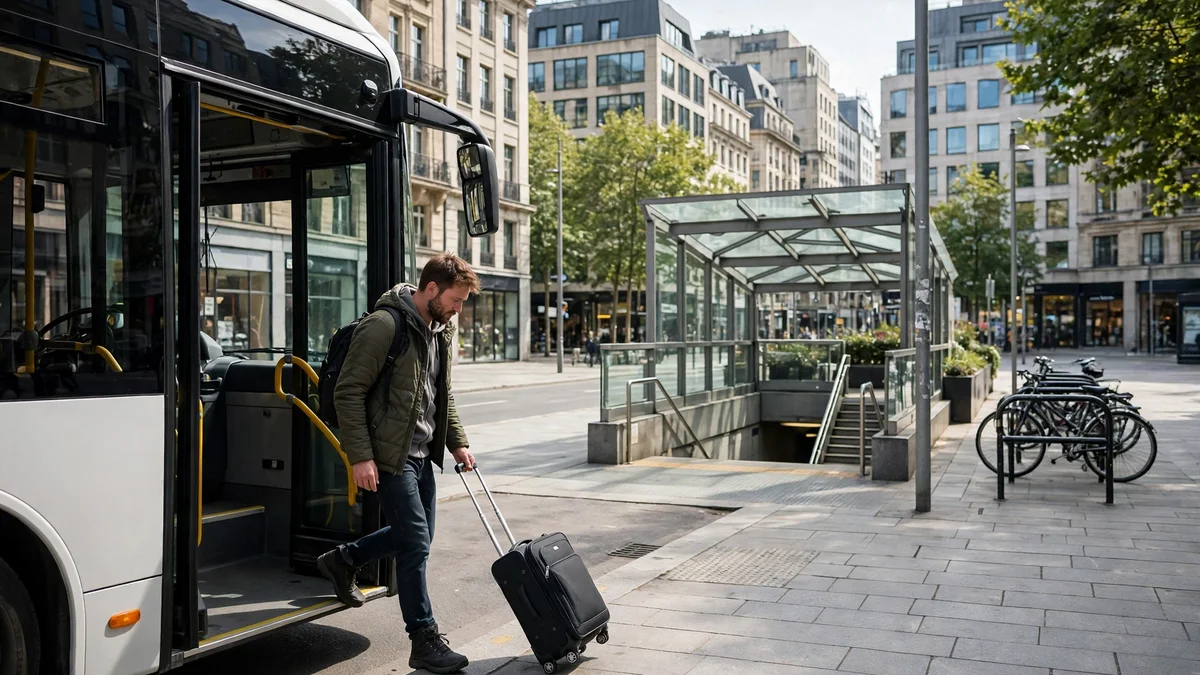
You are standing at the edge of the sand, the sea in front of you, and your toddler is already running toward the water with one shoe on and one shoe off. The difference between a relaxed beach day and a frantic one is decided before you leave the hotel room: did the bag hold everything a small child needs? Packing for a toddler is not about bringing more — it is about bringing the right things, in the right order.
Start With Sun Protection — the Non-Negotiables
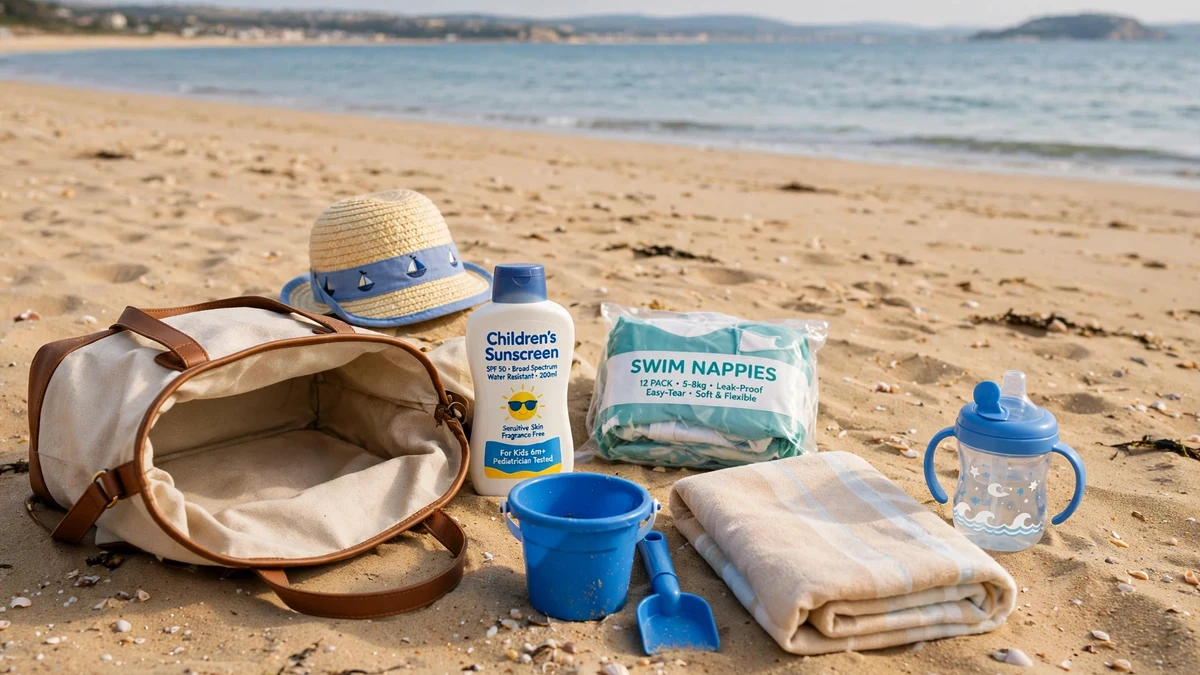
A toddler’s skin is far more sensitive than an adult’s, so sun protection is the first thing to pack and the last thing to compromise on. The NHS advises at least SPF 30 sunscreen for children, applied to areas not covered by clothing — face, ears, feet and the backs of hands — and reapplied frequently, straight after swimming and about every two hours. Put it on 30 minutes before you head out, not when you arrive.
Sunscreen alone is not enough. Pack a wide-brimmed hat that shades the face, neck and ears — a chin strap helps, because most toddlers treat a hat as a toy to be removed and thrown. A long-sleeved UV swimsuit or rash vest covers the shoulders and back, which burn first. The NHS sun safety guidance also recommends shade during the strongest sun, roughly 11am to 3pm, so plan your longest beach stretch for the morning or late afternoon and keep midday for lunch or a nap.
Babies under six months should be kept out of direct sunlight altogether, and last year’s bottle should be checked for its expiry date — sunscreen past its open-jar date protects less than you think.
Swimwear and Swim Nappies — What Actually Works
Pack two swimsuits or rash-vest sets per day, not one — a toddler who has been in the sea will be wet, sandy and cold within minutes of getting out, and a dry set changes the mood of the whole afternoon. Swim nappies are the other non-negotiable: most pools and many beaches require them, and a regular nappy swells up and falls apart in water. Bring a couple of zip-lock bags for the used ones.
Water shoes are worth their space if your beach has shells, pebbles or a hot sandy walk from the car park — toddlers fall over constantly, and a cut foot ends the beach day fast. On soft, clean sand they are optional. If you are still choosing where to go, a beach with gentle water and natural shade makes the whole packing list easier — this list of the best international places to visit with kids is a useful starting point for family-friendly destinations.
Clothes That Survive Sand and Salt Water
Pack three outfits per day — one to wear, one dry spare, and one for the inevitable ice-cream or sunscreen accident. Light, loose cotton or linen works best; dark colours hide sand and stains, and a long-sleeved top doubles as sun cover when the rash vest comes off.
Two towels per child is the realistic number: one for drying off after a swim and one clean, dry one for the journey home. A hooded towel stays on small shoulders while you carry them and the bag. Add a lightweight change mat or an old sheet to sit on — a sand-free patch for nappy changes and snacks that folds down to almost nothing.
Food, Drink and Snacks for a Small Beachgoer
Salt water, sun and running around make toddlers thirsty fast, and dehydration shows up as crankiness long before you notice it. Pack a spill-proof sippy cup or water bottle for each child and refill it often — water, not juice, is what they need most. A small cool bag with an ice pack keeps drinks and snacks safe in the heat.
For snacks, choose things that survive sand and heat: bananas, crackers, rice cakes, cheese cubes and pre-cut fruit in a sealed container. Avoid chocolate and anything that melts. Pack a few wet wipes and a small bag for rubbish — beaches with bins are not guaranteed, and sandy hands need cleaning before they touch food.
Sleep, Shade and Comfort on the Sand
Most toddlers still nap, and a beach day without a nap plan ends early. A pop-up beach tent or a large umbrella gives you shade for naps and the midday break, and doubles as a changing shelter. A pop-up tent packs flat for flying; a proper umbrella is sturdier in wind if you are driving.
Bring the comfort item your child actually sleeps with — blanket, soft toy or dummy — plus a spare dummy, because the sea has claimed many a dummy. A small beach mat gives them a defined, sand-free spot to lie down; toddlers sleep better when the ground under them is not shifting.
A Few Small Toys That Earn Their Space
A bucket and spade is the one toy that never fails at the beach, and it is small enough to justify. Add a couple of moulds or a small watering can if your child likes them, but stop there — toddlers are entertained by the sand and water themselves, and every extra toy is one more thing to carry back, sandy and dripping.
Leave anything with small parts, batteries or fabric at home — sand gets into everything, and a toy that stops working on day one is just weight in the bag. A simple ball works as a second toy if your beach has space.
The Beach Bag Itself — Pack in the Order You Will Need Things
The bag matters as much as what goes in it. A large, sand-proof tote with a zip top keeps the sand out on the way there and the wet things in on the way back. Pack in layers, in the order you will need them: sunscreen, hat and water shoes on top, for the moment you arrive; swim nappies and spare clothes in the middle; snacks and the cool bag where you can reach them without unpacking everything.
Keep a separate small bag for the journey home — dry clothes, a towel and wipes — so you are not digging through wet, sand-covered things in the car park. The same packing logic works for the trip itself: this guide to planning a carry-on only trip for seven days covers packing light and organised, and the principles work just as well for a beach bag.
What to Leave at Home
Leave the tablet and the expensive camera behind — sand and salt water are hard on electronics, and a toddler at the beach does not need a screen. Leave the big inflatable toys too; most beaches ban them near the water, and carrying a deflated flamingo is nobody’s idea of a holiday. And leave the “just in case” extras: if you have not used it by day two, you will not use it by day five.
FAQ: Packing for a Beach Holiday With a Toddler
How many swim nappies should I pack for a beach holiday with a toddler?
Plan one per swim session plus two spares per day, then add a few extra for the trip. Swim nappies are light and cheap, and running out of them is the one packing mistake that can keep you off the beach entirely.
Does my toddler need water shoes at the beach?
On soft, clean sand they are optional. On pebbly, shelly or very hot sand they are worth packing, because a cut or burnt foot ends the beach day quickly.
What should I do if it rains on our beach day?
Pack one lightweight rain jacket per child and a change of clothes in the car or hotel. A rainy beach morning is often still fine for paddling, and the beach is usually quieter — just keep the towels and dry clothes in a zip-lock bag.
Final Thoughts
Packing for a beach holiday with a toddler is about thinking one step ahead: sun protection before you arrive, dry clothes before you need them, snacks before the crankiness starts. Pack the list above, keep the bag in the order you will use it, and leave the extras at home. The beach does most of the entertaining — your job is simply to make sure nothing essential is missing when your toddler runs toward the water.